Fitbit Air & Gemini AI Coach: Why 2026 Just Became the Tipping Point for Smart Wearables
Google's $99 screenless Fitbit Air and Gemini-powered AI coach landed May 7, 2026. Whoop responded with live clinicians a day later. Here's what it means for everyone who trains.
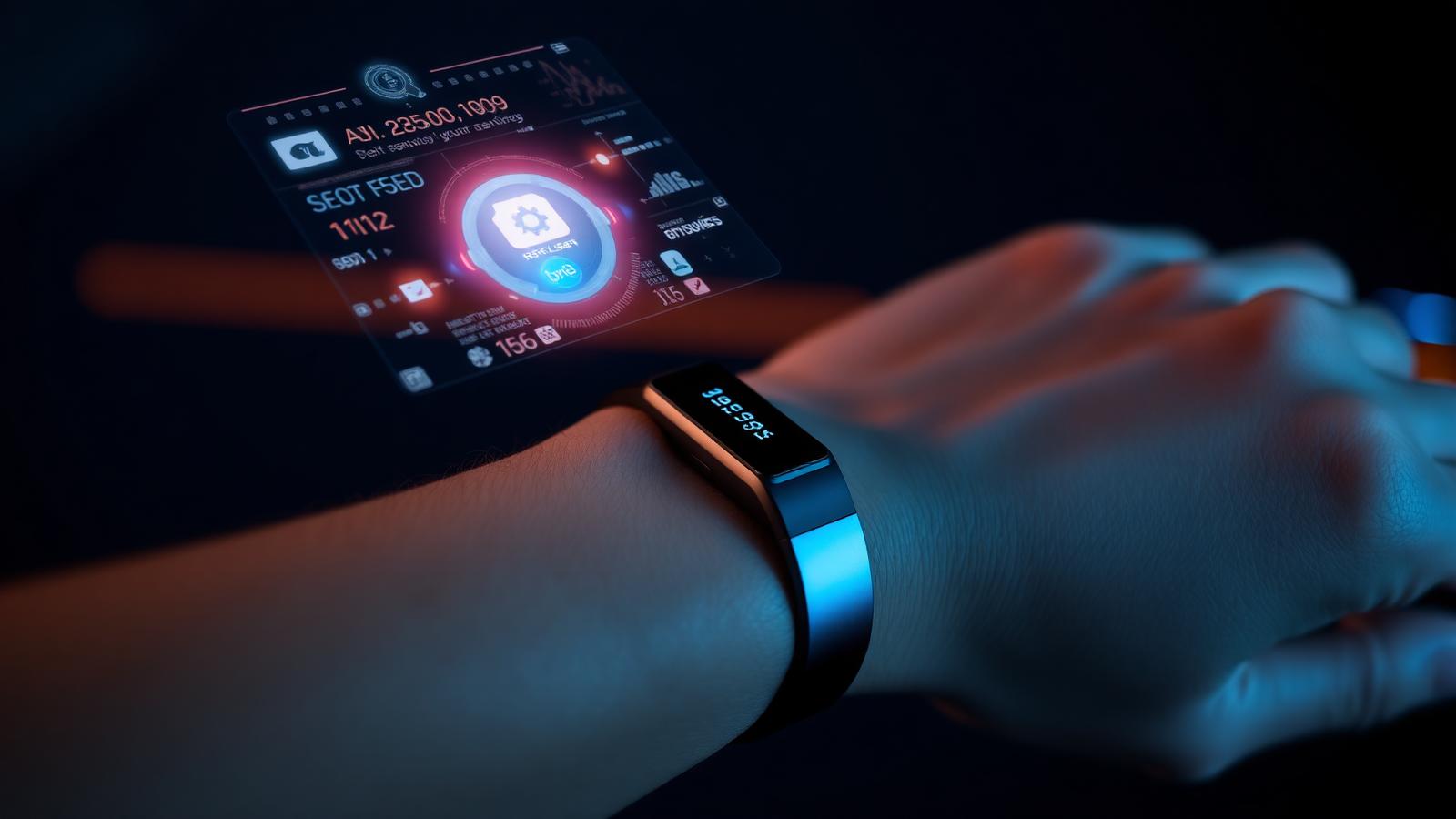
On May 7, 2026, Google launched the Fitbit Air — a $99 screenless fitness band paired with a $9.99/month Gemini AI coach — and quietly rewrote the rules of the smart wearable category. One day later, Whoop responded by adding on-demand video consultations with licensed clinicians. The fight for your wrist is no longer about sensors. It's about whose AI you trust with your health.
What just happened in fitness wearables
For four years, Google had been quiet on Fitbit hardware after acquiring the brand in 2021. That silence ended on May 7, when Google rolled out three things at once: a brand-new screenless tracker called the Fitbit Air, a rebrand of the Fitbit app, and the public launch of its Gemini-powered AI health coach (previously in closed beta). According to The Verge's reporting, the Air is the cheapest Fitbit-branded device in years — a deliberate move to seed Google's AI ecosystem onto millions of new wrists.
The very next day, Whoop fired back. The subscription-tracker company added live, on-demand video calls with licensed clinicians to its existing $30/month membership, plus a major upgrade to its own AI coach. The Next Web called the back-to-back announcements "the moment AI coaching became the wearable's main feature, not a side feature."
That's the headline. The deeper story is what it means for everyone training in 2026 — from casual walkers to serious athletes — and why the best AI fitness wearable may finally be a real category instead of marketing fluff.
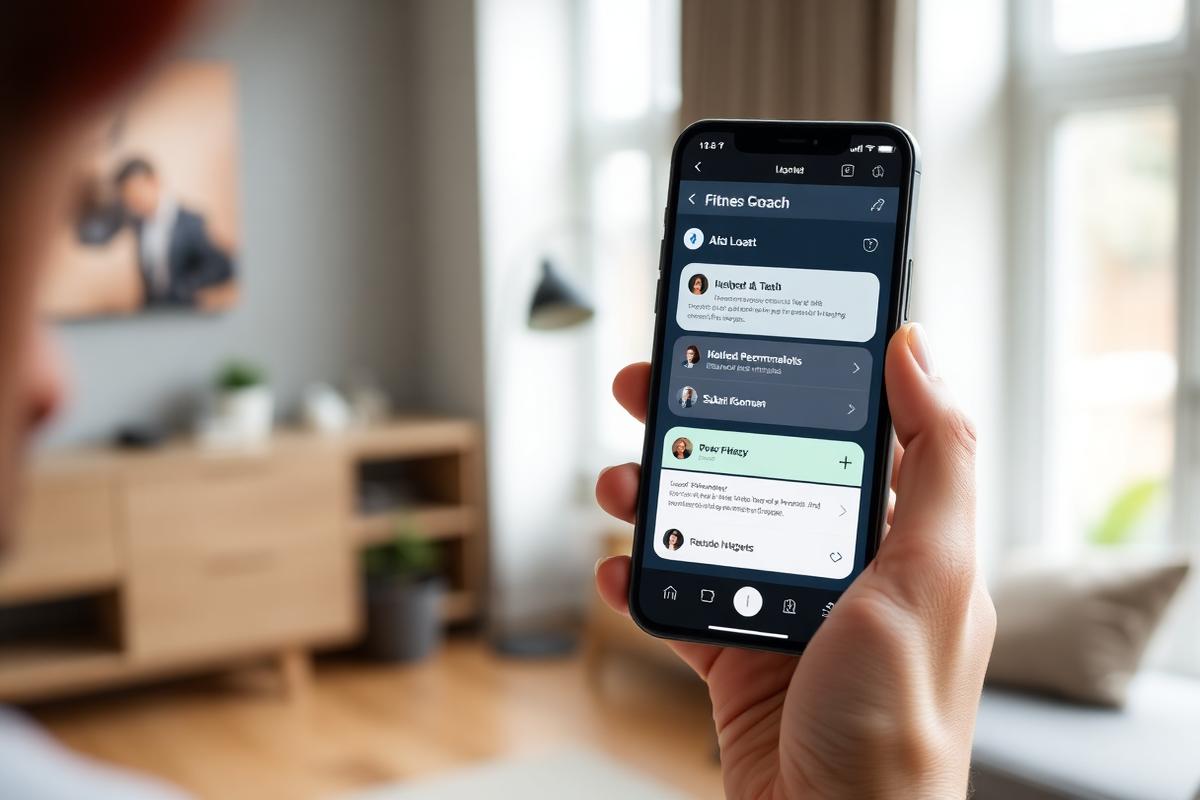
Fitbit Air: a $99 trojan horse for Google AI
On paper, the Fitbit Air is a modest upgrade: a screenless silicone band, optical heart rate, SpO2, skin-temperature sensing, sleep tracking, and roughly 10 days of battery life. It's competing in the same category as the Xiaomi Smart Band 9 and the original Whoop strap.
What makes it interesting is the software stack behind it. The Air feeds raw data directly into Google's new Health app, which acts as the host for the Gemini coach. The coach can:
- Summarize your week in plain English ("Your training load is 22% higher than last week — consider a deload day.")
- Answer free-form questions about your readiness, sleep, or recovery.
- Pull in context from Google Calendar, weather, and your previous workouts.
- Generate adaptive workout suggestions instead of static plans.
That last point matters. Static workout plans are why most fitness apps die on people's home screens within 30 days. An AI that adjusts when you're tired, traveling, or sick is a fundamentally different product.
Price strategy
At $99 for the device and $9.99/month for Gemini coaching, Google is undercutting Whoop ($30/month) by two-thirds and Oura Ring ($349 + $5.99/month) on hardware cost. The strategy is obvious: get cheap hardware on millions of wrists and let recurring AI subscriptions do the long-term work. This is the Spotify model, applied to your body.
Whoop's counterpunch: human clinicians on demand
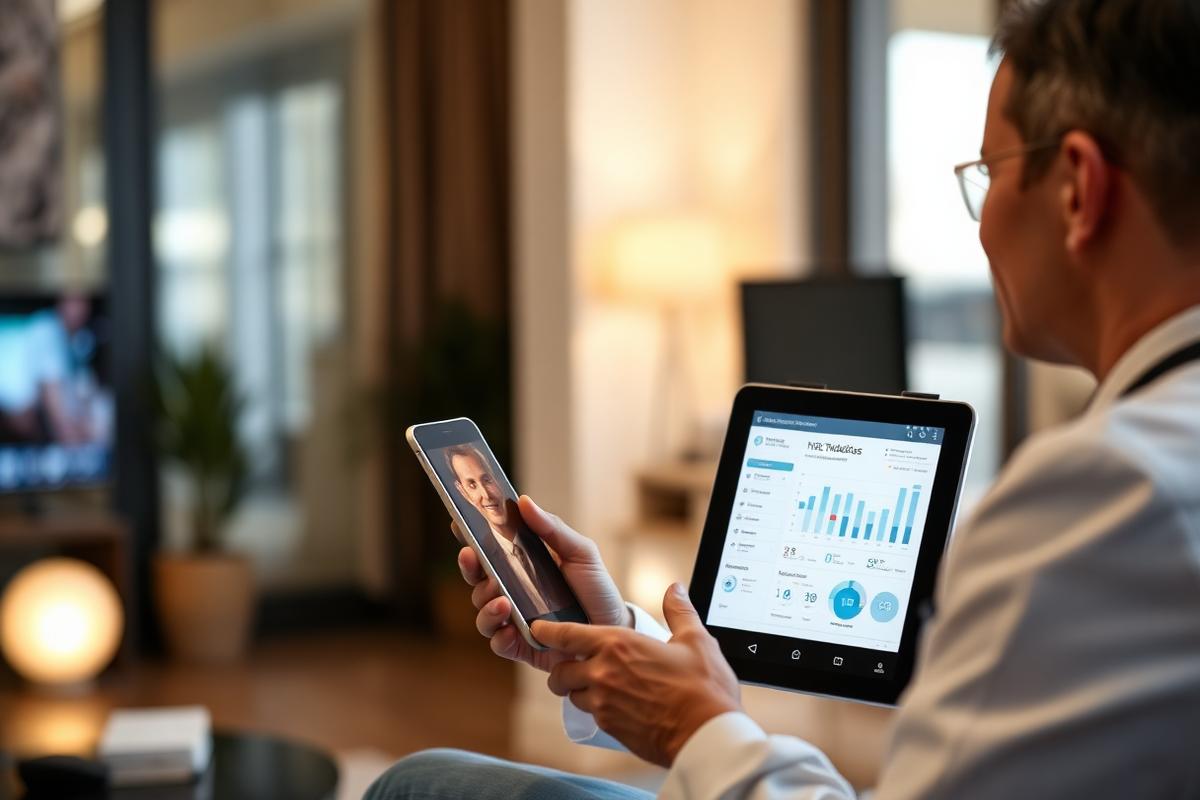
Whoop's response is the more surprising story. Instead of competing on price, Whoop is going the opposite direction — adding human expertise on top of AI. According to mHealthSpot, members can now book same-day video calls with licensed physicians, sports medicine specialists, and dietitians directly through the Whoop app, with their full HRV, sleep, and strain history attached.
For an athlete who has been training hard, struggling with sleep, or dealing with a nagging injury, that's an enormous leap. Instead of "what does my watch think?", you get "what does my doctor think — looking at three months of biometric data?" It's the first time consumer wearable data is being treated as a legitimate clinical input at scale.
And then there's the smart ring war
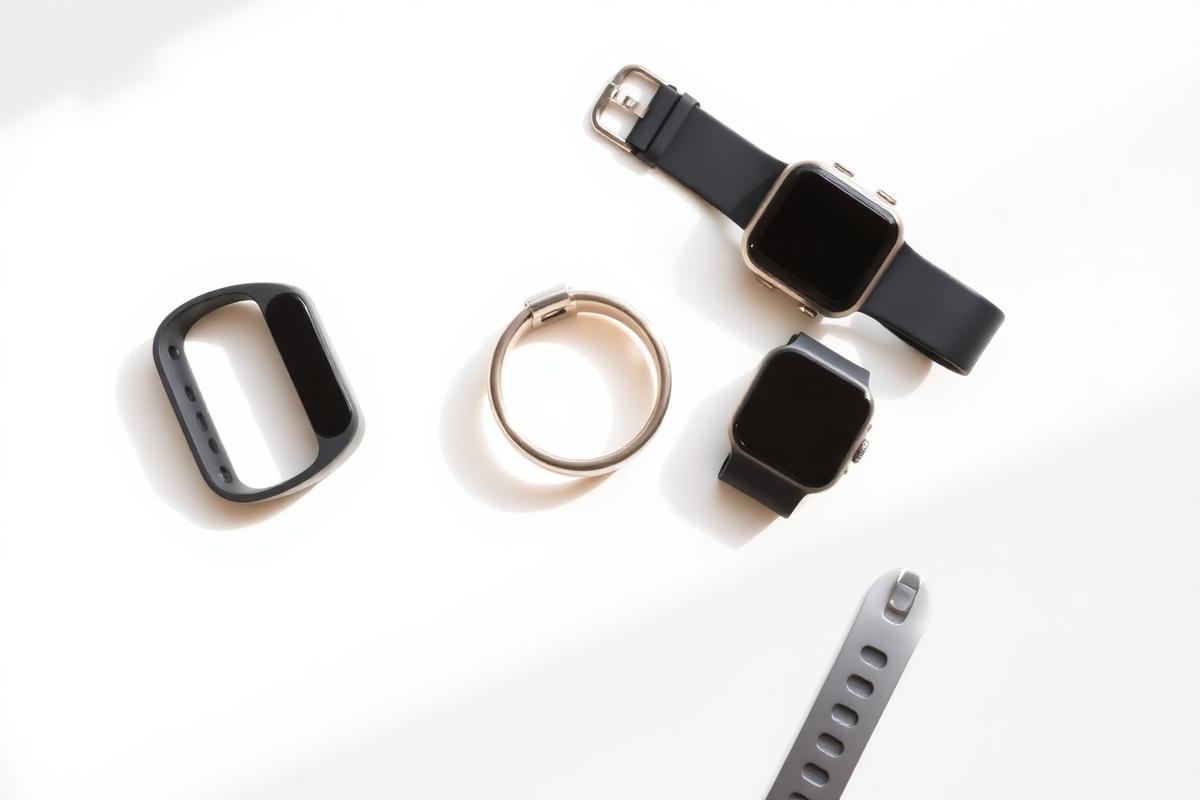
Both launches arrived in the middle of an already crowded category. RingConn opened pre-orders for its Gen 3 smart ring on May 5, positioning it as the cheaper Oura Ring 4 alternative with vascular-health insights. Android Police highlights that the RingConn Gen 3 ships without a subscription — a deliberate jab at Oura's monthly fee.
The pattern is clear: 2026 is the year wearables stopped competing on sensors and started competing on what their software does with the data. If you're shopping right now, the question is no longer "which device tracks the most metrics?" — every modern wearable tracks more than you'll ever use. The question is: whose AI gives you advice you'll actually follow?
Why this matters for everyday athletes
If you've ever bought a smartwatch and stopped wearing it after three months — congratulations, you're in the majority. A Nature Digital Medicine review found that roughly one in three wearable owners abandon their device within six months, mostly because the data never translates into action.
The AI coach changes that math. When your tracker can say "you slept 5 hours, skip the high-intensity intervals today and do zone 2 instead," it stops being a passive data collector and starts behaving like a personal trainer. This is the single biggest behavioral shift in the wearable category since GPS arrived on running watches in the late 2000s.
Real-world impact: what changes for you
- Beginners: Lower-cost entry points (Fitbit Air at $99) make AI coaching accessible without a $400 smartwatch.
- Serious athletes: Whoop's clinician integration adds a feedback loop that's been missing from consumer hardware.
- Older adults: Conversational coaching ("explain my heart rate variability this week") makes complex metrics actually usable.
- Privacy-conscious users: The shift toward AI also raises new questions about who owns your biometric data — see the privacy section below.
Expert perspective: signal vs. noise
Sports scientists have warned for years that more data isn't the same as better training. Dr. Iñigo San Millán, exercise physiologist and longtime advisor to elite cyclists, has repeatedly argued that the bottleneck isn't sensor accuracy — it's interpretation. "Athletes don't fail because they lack data," he told Outside Magazine in early 2025. "They fail because they can't decide what to do with it."
That's exactly the gap AI coaches are now filling. Gemini's coach (and to a lesser extent Whoop's upgraded coach) is essentially a real-time interpretation layer. Whether the advice is correct enough to act on is the open question of 2026 — and one of the most interesting test cases for consumer AI in any category.

How to choose an AI fitness wearable in 2026
If you're shopping now, here's a framework that survives this week's news cycle:
1. Match the device to your training goal
Casual fitness and habit-building → Fitbit Air or a smart ring. Serious endurance training → Garmin Forerunner or Whoop. General all-rounder with strong ecosystem → Apple Watch.
2. Audit the subscription
Most useful AI features now live behind monthly fees. Calculate three-year cost of ownership, not sticker price. A $99 Fitbit Air with $9.99/month coaching is $459 over three years — close to the price of a one-time Garmin.
3. Check the data export story
Can you export your data to TrainingPeaks, Strava, Apple Health, or Google Health Connect? If not, you're locked in. This matters more than any single feature.
4. Prioritize the metrics you'll actually act on
HRV trends, sleep duration, and weekly training load drive behavior change. Specialized metrics like VO₂ max or running power are nice but rarely change what you do tomorrow.
For deeper buying guidance across the rest of your setup, browse our wearable fitness tech reviews, the foundational best fitness wearables of 2026 buyer's guide, and our recovery & mobility tools picks — because the best AI coach in the world can't fix bad sleep or skipped mobility work.
The elephant in the room: your biometric data
Every minute of HRV, sleep, and skin-temperature data you generate is now valuable training material for some company's AI model. Google's privacy policy for Fitbit data is detailed but long; Whoop's is more restrictive but still allows aggregated research use. Before you commit to any AI-coached platform in 2026:
- Read the data-use policy. Look specifically for whether your data trains models.
- Confirm you can delete your account and all associated data.
- Check whether your data can be shared with insurance providers (most explicitly say no — verify it).
Key takeaways
- Google's Fitbit Air ($99) + Gemini AI coach ($9.99/month) launched May 7, 2026, dramatically dropping the entry price for AI fitness coaching.
- Whoop responded the next day with on-demand licensed clinician video calls — adding human expertise on top of AI.
- The wearable category has officially shifted from sensor wars to AI-coaching wars.
- For shoppers: think three-year subscription cost, not sticker price, and prioritize data portability.
- Biometric data privacy is now a first-order purchase consideration, not an afterthought.
Frequently asked questions
Is the Fitbit Air worth $99?
For new users who want a low-friction way into AI coaching, yes — it's the cheapest credible AI fitness wearable on the market today. Serious athletes will outgrow it within a year.
Do I need a subscription to use the Fitbit Air?
No. Core tracking (steps, sleep, heart rate) works without a subscription. The Gemini AI coach and advanced insights require the $9.99/month plan.
Is Whoop's clinician feature actually useful?
If you've ever wished your doctor could see your sleep and HRV trends before giving advice, yes. For pure performance training, the upgraded Whoop AI coach matters more day to day.
Should I buy now or wait?
Apple's expected Watch Series 12 announcement in September 2026 will likely include a deeper Apple Intelligence coach. If you're already locked into iOS, waiting until fall is reasonable. Everyone else: the Fitbit Air is a low-risk entry point now.
Can AI coaches replace a real personal trainer?
Not yet — but they're closing the gap for general fitness, recovery monitoring, and habit-building. For form coaching on heavy lifts or sport-specific skill work, you still need a human.
Conclusion: 2026 is the year wearables grew up
For a decade, the fitness wearable industry has been selling sensors and counting on users to figure out what to do with the data. The Fitbit Air and Whoop's clinician integration mark the moment that finally changed. The category is now competing on intelligence — whose AI gives advice you'll actually act on, and whose human network you can fall back on when AI isn't enough.
Whichever device wins on your wrist, the bigger winner is you: more useful data, lower entry prices, and a real feedback loop between what you do and what you should do next. Pair any of these with the right home gym essentials and a consistent recovery routine, and 2026 is shaping up to be the easiest year yet to actually get fitter.
What do you think? Drop a comment below — would you trust an AI coach with your training? And if you found this useful, share it with a friend who's still on the fence about their next wearable. Then explore our latest wearable tech reviews for hands-on comparisons.
Related reading
Best Fitness Wearables 2026: The Honest Buyer's Guide
From Garmin to Apple Watch Ultra to Whoop — the wearables actually worth wearing in 2026, ranked by training style and value.
Best Adjustable Dumbbells 2026: Tested for Real Home Lifters
One pair, every workout. The adjustable dumbbells worth buying in 2026 — ranked on feel, durability, speed of change, and real-world value.
Best Fitness Apps 2026: AI Coaches, Trackers & Training Platforms Ranked
AI coaches went mainstream this year. Here are the fitness apps actually worth a subscription in 2026 — for lifting, running, recovery, and nutrition.