Best Fitness Wearables 2026: The Honest Buyer's Guide
From Garmin to Apple Watch Ultra to Whoop — the wearables actually worth wearing in 2026, ranked by training style and value.
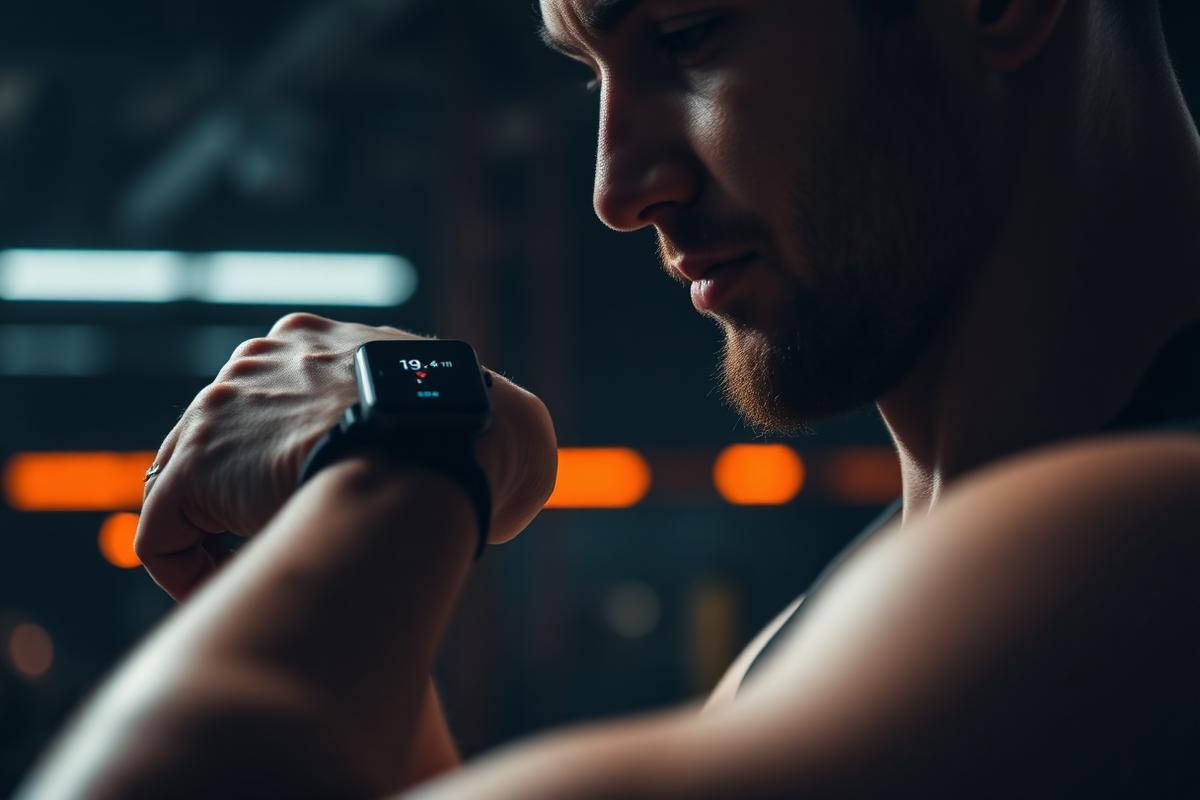
Fitness wearables have moved far beyond simple step counts. In 2026, the best smartwatches and trackers combine medical-grade sensors, on-device AI, and recovery analytics that used to require a lab. This guide breaks down what actually matters when you choose a fitness wearable — and which models are leading the pack right now.
Why fitness wearables matter more than ever
According to IDC's latest wearables tracker, global shipments of smart wristbands and watches crossed 560 million units in 2025 — a record. The reason is simple: today's devices don't just count, they coach. Continuous heart-rate variability (HRV), wrist-based ECG, blood-oxygen trends, skin-temperature baselines, and AI-driven readiness scores have turned consumer wearables into legitimate training partners.
If you train consistently, a good wearable will tell you when to push, when to deload, and when an illness is brewing before you feel it. That single insight can be worth the price of admission.
What to look for in a fitness wearable in 2026
1. Sensor accuracy
Optical heart-rate sensors have improved dramatically, but accuracy still varies under high-intensity intervals. Look for devices that combine multi-path PPG with motion-compensation algorithms. For runners and cyclists, pairing your watch with an external chest strap is still the gold standard.
2. Battery life
Always-on displays, GPS, and continuous SpO2 monitoring drain batteries fast. A practical baseline in 2026 is 5–7 days of mixed use with daily workouts. Solar-assisted and low-power MIP displays can push that to two weeks or more.
3. Recovery and readiness metrics
The category leader here is Whoop, but Garmin, Polar, and Apple have closed the gap. Look for HRV trend lines (not just single nightly numbers), respiratory rate, and sleep-stage detection validated against polysomnography.
4. App ecosystem
The watch is only as good as the app behind it. Check whether you'll be locked into a subscription, whether data exports cleanly, and whether the platform integrates with the apps you already use — Strava, TrainingPeaks, Apple Health, or Google Health Connect.
Top picks by training style
- Best for serious runners: Garmin Forerunner 970 — multi-band GPS, training readiness, and a real running coach.
- Best for everyday athletes: Apple Watch Ultra 3 — beautiful display, excellent ecosystem, solid 36+ hour battery.
- Best for recovery obsessives: Whoop 5.0 — no screen, pure data, the most actionable strain and recovery metrics on the market.
- Best budget pick: Amazfit T-Rex 3 — rugged design, 20-day battery, and surprisingly accurate sleep tracking under $300.
Real-world impact: how data changes training
Coaches at the American College of Sports Medicine have noted a measurable drop in overtraining injuries among amateur athletes who consistently use HRV-based readiness scores. Translation: when your watch tells you to rest, listen.
For everyday users, the bigger win is behavioral. Wearing a tracker increases average daily step count by 15–30% in the first three months, according to multiple JAMA Network Open meta-analyses.
Key takeaways
- Don't buy on specs alone — match the device to your training style.
- Recovery metrics are the most under-used and most valuable feature.
- Battery life and app ecosystem matter more than another sensor.
- Pair your wearable with a chest strap for peak accuracy during HIIT.
Frequently asked questions
Are fitness wearables accurate enough to trust?
For trends — sleep duration, HRV direction, weekly load — yes. For single-workout calorie counts, treat the numbers as an estimate, not gospel.
Do I need to pay for a subscription?
Garmin, Apple, and Polar give you the core data free. Whoop, Oura, and Fitbit Premium charge monthly for advanced coaching. Pick the model that matches how much you'll actually use.
Can a smartwatch replace a chest strap?
For zone-2 cardio, yes. For sprints, intervals, and lifting, a chest strap is still more reliable.
Conclusion
The best fitness wearable isn't the one with the most sensors — it's the one whose data you'll actually act on. Start with your training goals, work backward to the metrics that move the needle, and pick the device whose ecosystem fits your life. If you're building out the rest of your setup, our guide to home gym essentials and recovery tools pairs perfectly with any wearable.
Related reading
Fitbit Air & Gemini AI Coach: Why 2026 Just Became the Tipping Point for Smart Wearables
Google's $99 screenless Fitbit Air and Gemini-powered AI coach landed May 7, 2026. Whoop responded with live clinicians a day later. Here's what it means for everyone who trains.
Best Adjustable Dumbbells 2026: Tested for Real Home Lifters
One pair, every workout. The adjustable dumbbells worth buying in 2026 — ranked on feel, durability, speed of change, and real-world value.
Best Fitness Apps 2026: AI Coaches, Trackers & Training Platforms Ranked
AI coaches went mainstream this year. Here are the fitness apps actually worth a subscription in 2026 — for lifting, running, recovery, and nutrition.