Best Recovery & Mobility Tools That Actually Work
Skip the marketing fluff — these are the recovery tools that actually move the needle, plus a 10-minute daily routine.
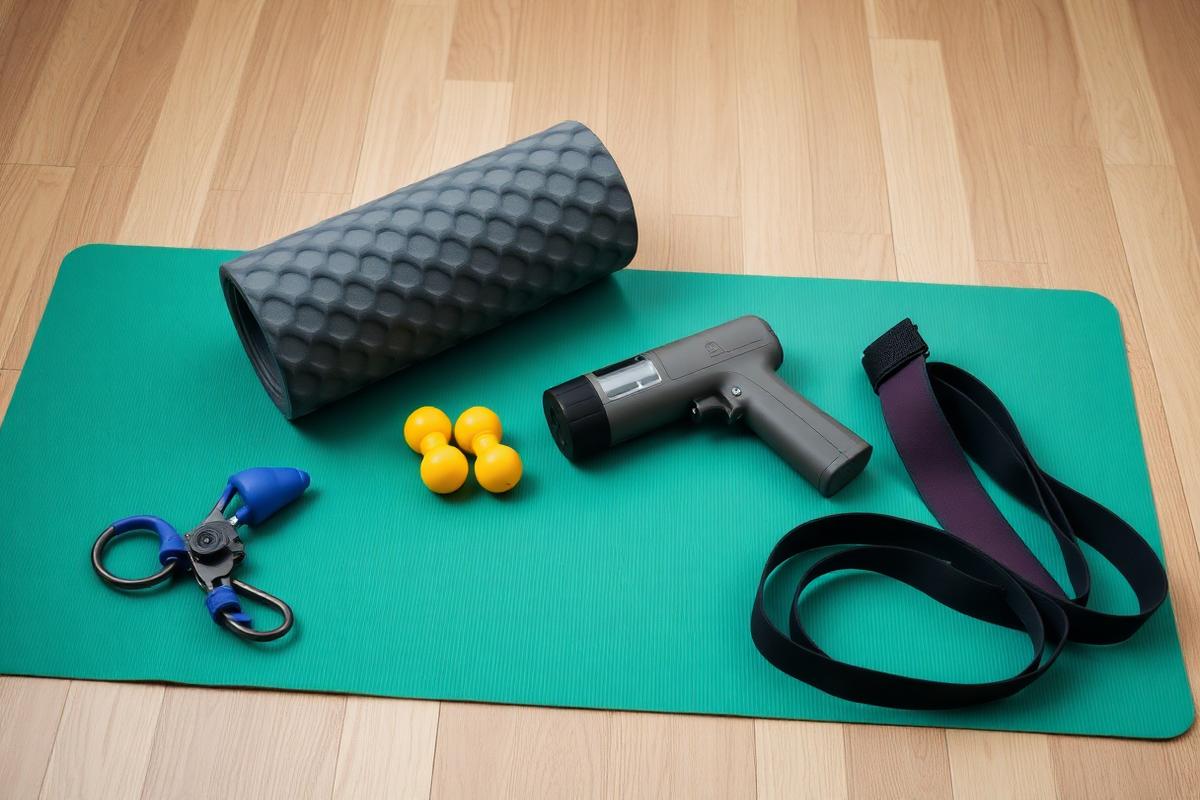
Recovery is the workout you can't skip. The right recovery and mobility tools can shave hours off muscle soreness, improve sleep, and let you train more often without injury. Here's what actually works — backed by data, not marketing.
Why recovery is the new performance
A 2024 systematic review in Sports Medicine found that athletes who structured their recovery — sleep, mobility work, and targeted soft-tissue care — improved performance metrics by 8–12% over six months compared to training-only controls. In other words, recovery isn't passive. It's training.
The essential recovery toolkit
Foam roller
The cheapest, most-researched recovery tool that exists. A high-density EPP roller (TriggerPoint Grid or RumbleRoller) lasts forever and addresses 80% of common soft-tissue restrictions.
Massage gun
Percussive therapy devices like the Theragun Pro and Hyperice Hypervolt 2 deliver targeted relief. They're not magic, but they shorten the time it takes to get blood flow into stiff tissue. Look for 12 mm+ amplitude and a stall force above 40 lb.
Resistance bands
Bands aren't just for warming up — they're the most versatile mobility tool ever made. Use them for joint distractions, shoulder dislocates, and band-assisted stretching.
Compression boots
NormaTec-style pneumatic compression boots used to be elite-only. Brands like Therabody RecoveryAir and Hyperice Normatec Go have brought entry prices under $400. Best for runners, cyclists, and anyone whose legs feel heavy after long sessions.
Heat and cold
Contrast therapy (cold plunge + sauna) has the strongest research base for recovery and mood. Portable cold tubs from Plunge, Ice Barrel, and The Cold Pod start under $200 and work.
How to actually use recovery tools
Most people use recovery tools randomly, then wonder why nothing changes. A simple framework:
- Pre-workout: 5 minutes of dynamic mobility + targeted band work.
- Post-workout: 10 minutes of foam rolling on worked tissue.
- Evening: 5–10 minutes of massage gun on tight areas before bed.
- Weekly: One longer mobility flow (yoga, Romwod, or GMB Method).
Pair this with consistent sleep and your training capacity climbs fast. Tracking it with a quality wearable from our wearable fitness tech guides makes the improvements visible.
Key takeaways
- Foam roller and resistance bands deliver 80% of the benefit at 5% of the cost.
- Massage guns are best for targeted hotspots, not full-body sessions.
- Compression boots shine for endurance athletes.
- Consistency beats intensity — 10 daily minutes outperforms one weekly hour.
FAQ
Are massage guns worth the money?
For most lifters and runners, yes — but you don't need the most expensive one. The $200–$300 range is the sweet spot.
How long should I foam roll?
30–60 seconds per muscle group, 2–3 passes. Slower is better than harder.
Can recovery tools replace stretching?
No. They complement it. Use tools to release tissue, then move through the new range.
Conclusion
Smart recovery isn't expensive — it's intentional. Start with a foam roller and bands, add a massage gun when you can, and build a 10-minute daily habit. Combined with our home gym essentials and a quality training plan, you'll feel better, train harder, and stay injury-free.
Related reading
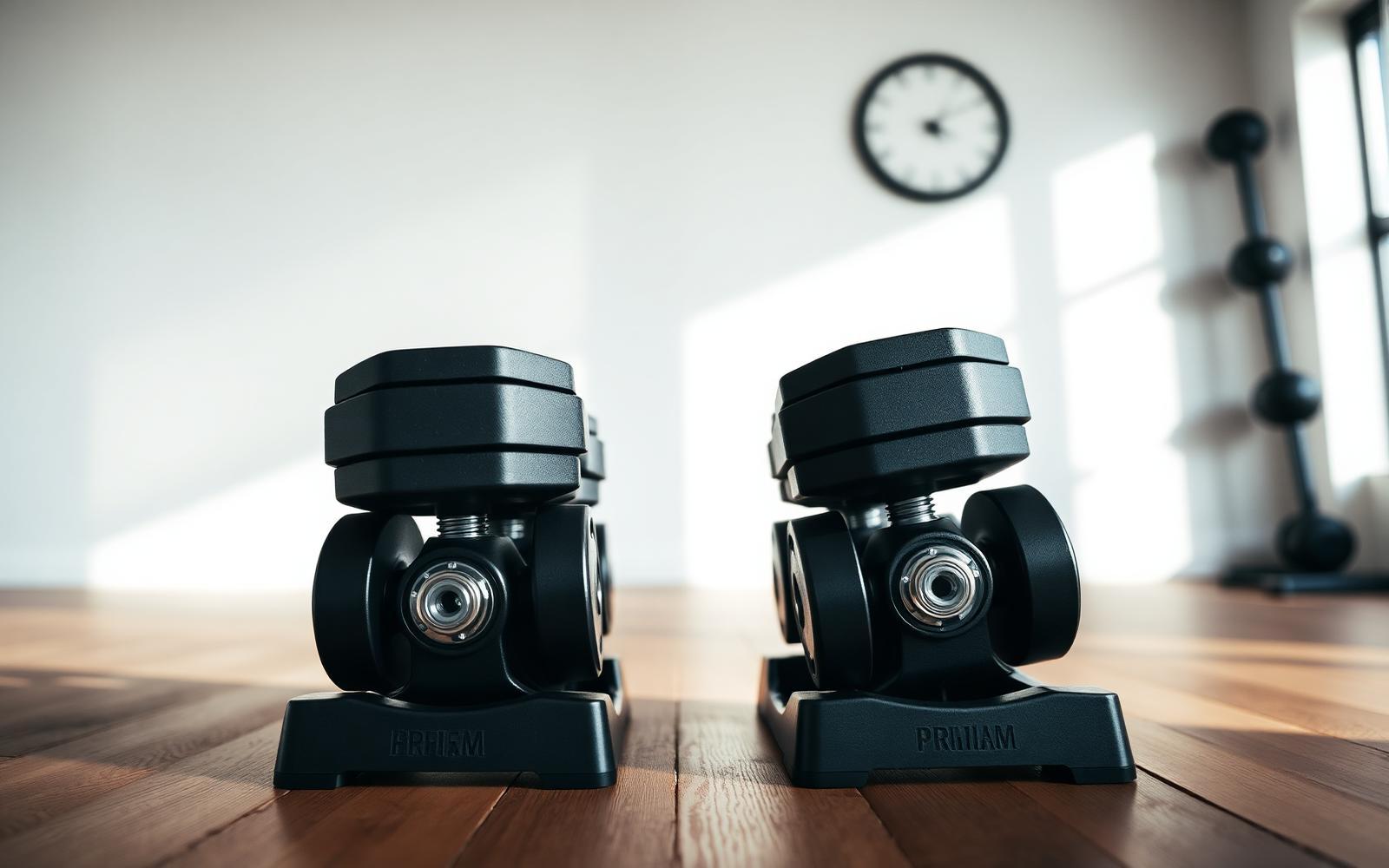
Best Adjustable Dumbbells 2026: Tested for Real Home Lifters
One pair, every workout. The adjustable dumbbells worth buying in 2026 — ranked on feel, durability, speed of change, and real-world value.
Best Fitness Apps 2026: AI Coaches, Trackers & Training Platforms Ranked
AI coaches went mainstream this year. Here are the fitness apps actually worth a subscription in 2026 — for lifting, running, recovery, and nutrition.
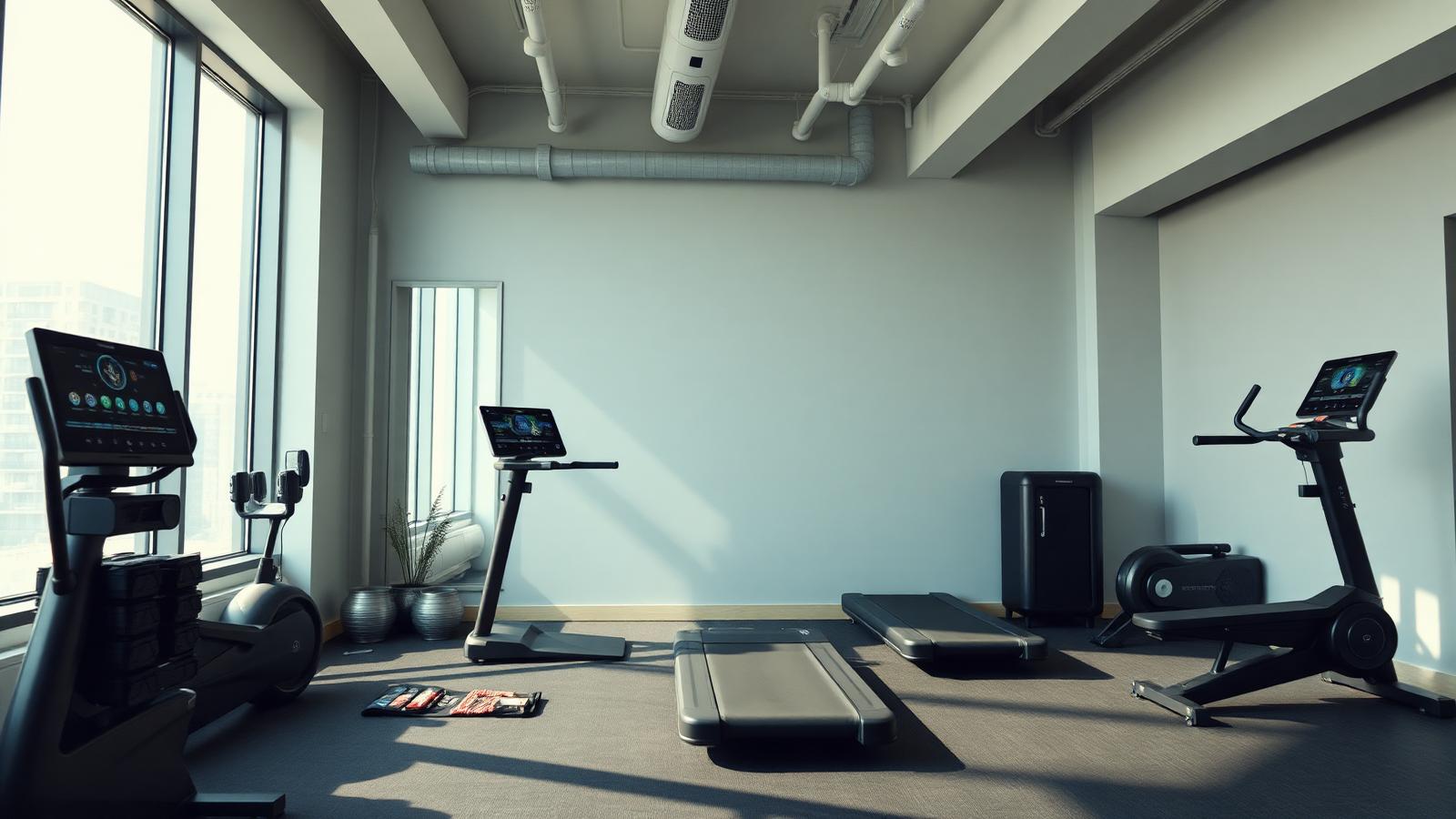
The AI-Powered Home Gym Revolution: Inside 2026's Biggest Fitness Equipment Shift
AEKE's strength mirror, Merach's LLM-powered treadmill, FitTransformer's modular system, and Pavo's $650K-funded smart reformer just turned the home gym into 2026's most exciting tech category.