The AI-Powered Home Gym Revolution: Inside 2026's Biggest Fitness Equipment Shift
AEKE's strength mirror, Merach's LLM-powered treadmill, FitTransformer's modular system, and Pavo's $650K-funded smart reformer just turned the home gym into 2026's most exciting tech category.
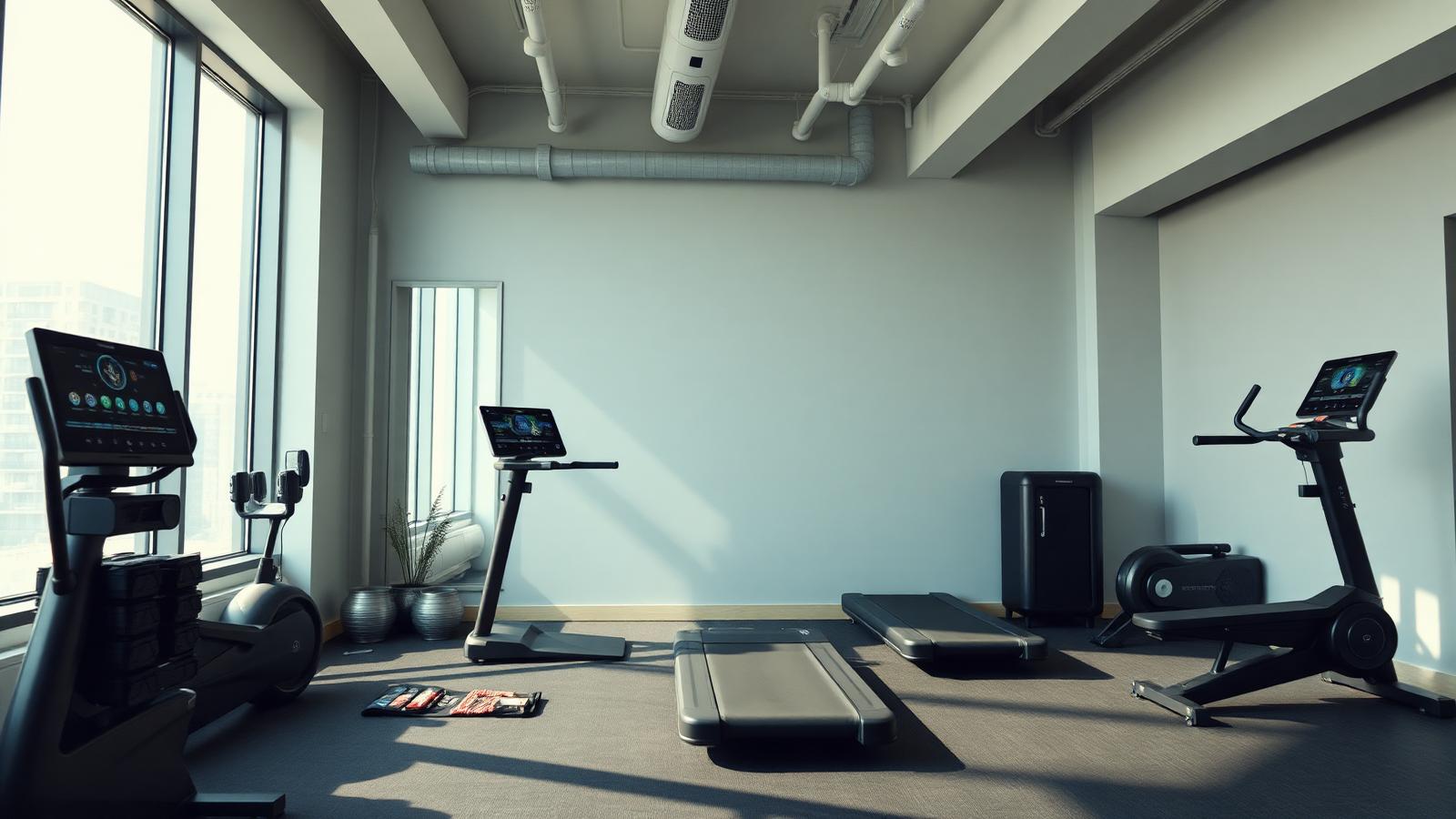
In the first half of 2026, the home gym stopped being a corner of your living room with a yoga mat and a kettlebell. Between AEKE's AI-powered Strength Mirror, Merach's LLM-driven UltraTread treadmill, FitTransformer's modular Power Core system, and Pavo Fitness's $650,000-funded smart Pilates reformer, an entire category just got rebuilt around adaptive AI. Here's what changed, what's actually worth buying, and how to think about a home gym in the age of intelligent equipment.
What just happened in home fitness equipment
Three product launches in three months turned 2026 into the most consequential year for home gyms since Peloton's 2019 IPO.
First, at CES 2026 in January, Merach unveiled the UltraTread — the world's first treadmill with an on-device large language model providing real-time coaching, plus the UltraWalk, a premium walking pad with the same brain. Days later, FitTransformer launched its Power Core platform, a single smart engine that swaps between a rower, bike, and resistance trainer.
In February, AEKE began shipping the K1 Strength Mirror in the US, pairing computer-vision form coaching with a connected smart bench (the B1) for a true plug-and-play home gym. Then in February, Pavo Fitness blew past $650,000 on Kickstarter with the first AI-powered foldable Pilates reformer — a category that had been frozen in time for 100 years.
The connective tissue: AI is no longer a marketing badge stuck onto a piece of fitness equipment. It's now the differentiating component — and in some cases, the entire product.
AEKE K1: when the mirror becomes the trainer
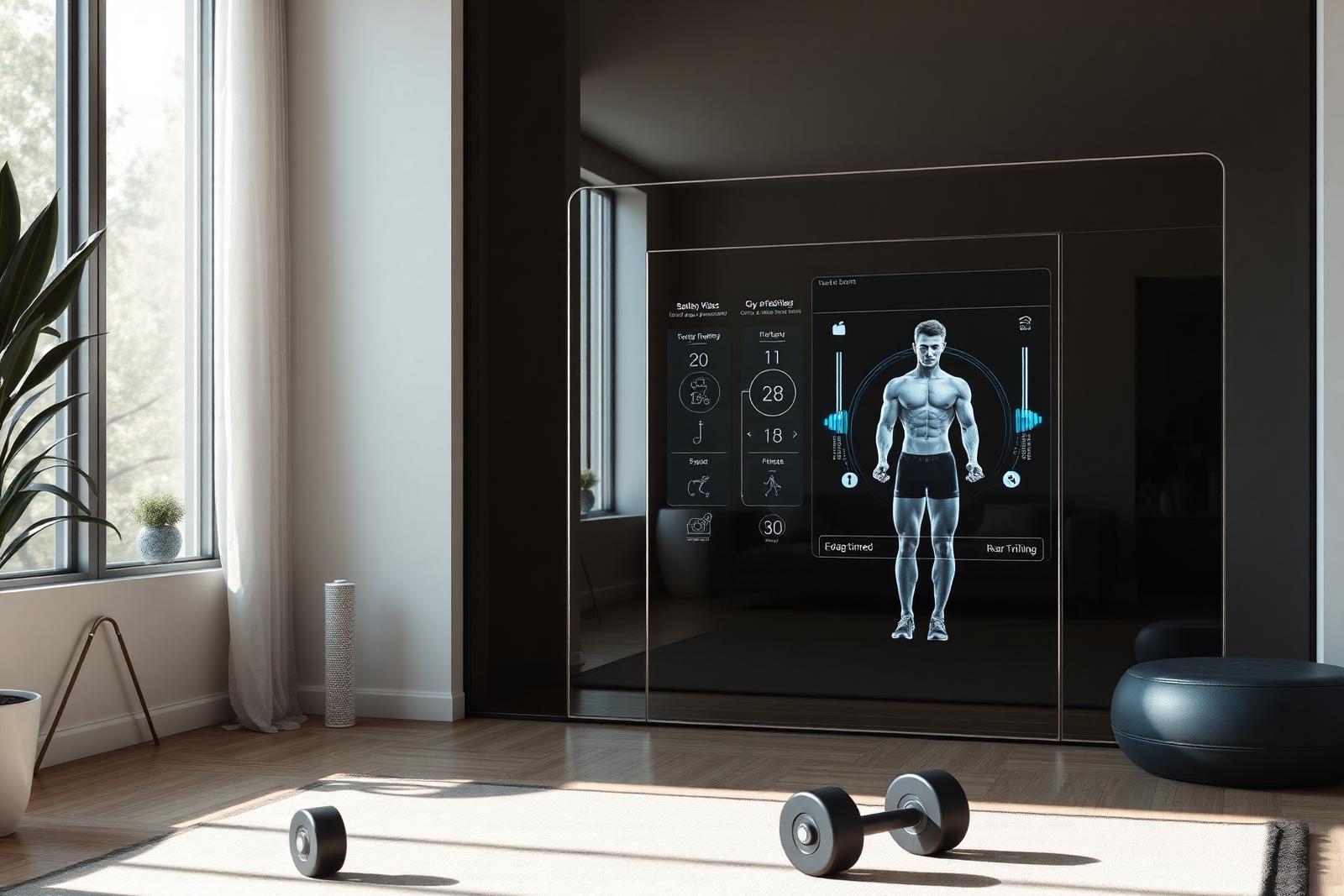
The AEKE K1 Strength Mirror is arguably the most ambitious home gym launch of 2026. On the surface it looks like a sleek wall mirror; in practice, it uses dual cameras and an on-device computer-vision model to analyze your form in real time, count reps, and flag asymmetries before they become injuries.
What sets it apart from earlier "mirror" devices like Tonal or Lululemon Studio is the integration with the AEKE B1 — a connected bench with embedded weight sensors and digital resistance. The two devices talk to each other: the mirror sees what you're doing, the bench knows how much force you're producing, and the AI coach adjusts the next set on the fly.
According to the January launch announcement, the K1+B1 combo replaces roughly $4,000 worth of traditional equipment with a single connected system — and crucially, replaces the need to know what you're doing before you start.
Who it's for
Beginners and intermediate lifters who want gym-quality strength training without booking a coach. Advanced athletes will still prefer barbells.
Merach UltraTread: the first treadmill with a real on-device coach
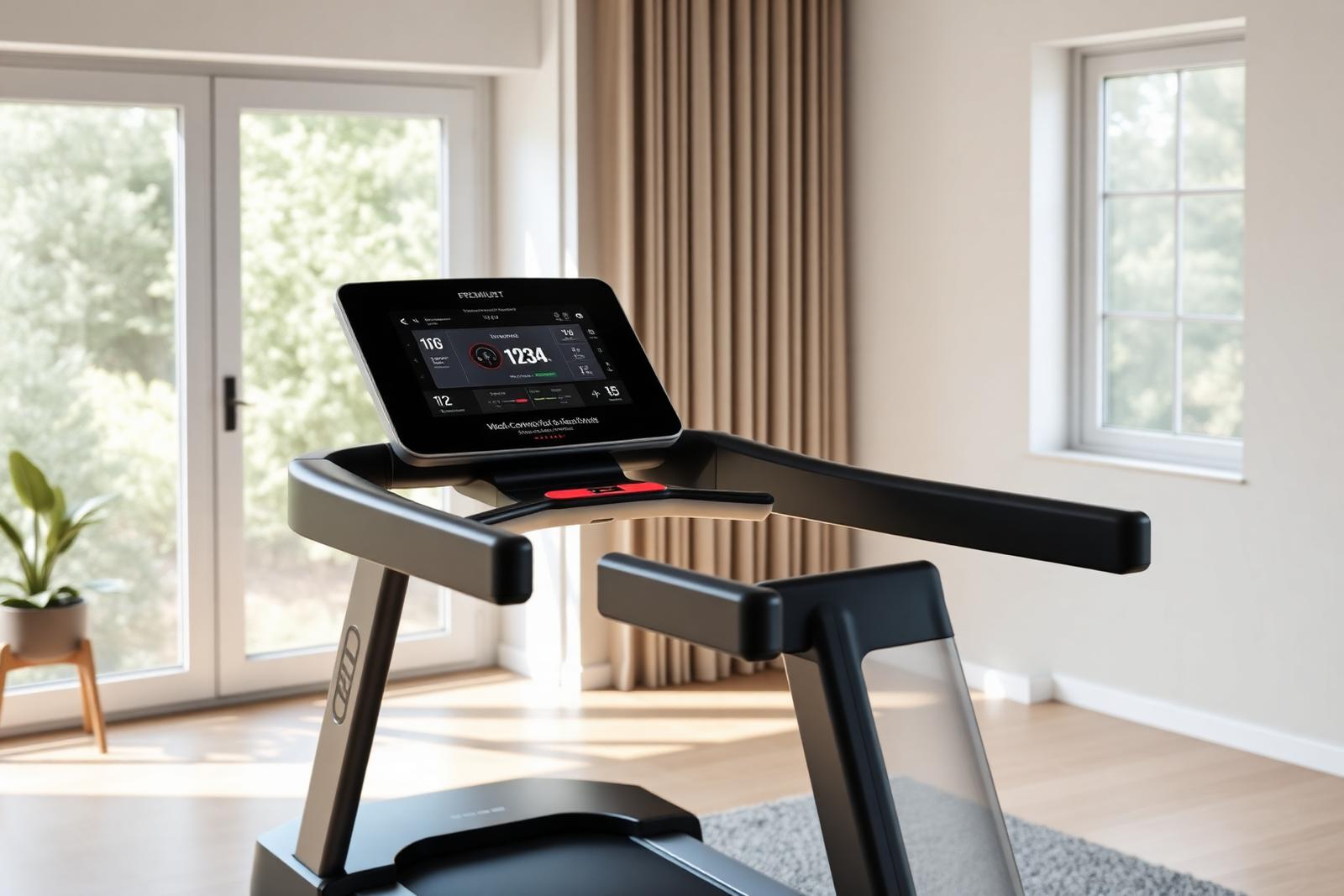
Most "smart" treadmills are dumb screens running a streaming app. The Merach UltraTread, unveiled at CES 2026, is the first treadmill to ship with an on-device LLM that holds an actual conversation with you mid-run.
Ask it, "I'm tired today, what should I do?" and it adjusts pace and incline based on your recent heart-rate data, sleep score (pulled from your wearable), and weekly training load. It's the same shift we covered in our piece on the Fitbit Air and Gemini AI coach — coaching is becoming the product.
Merach also debuted the UltraWalk, a premium walking pad with the same brain. Given the well-documented health benefits of daily walking, an AI-coached walking pad under a standing desk may be the most practical purchase on this list.
FitTransformer: one engine, many machines
If space is your constraint, FitTransformer's Power Core platform is the most interesting answer in years. A single smart engine — about the size of a microwave — slots into a rower frame, a bike frame, or a resistance trainer frame. You swap the frame in under a minute and get a different machine.
For apartment dwellers who'd otherwise have to choose between rowing and cycling, this is a real unlock. The Power Core's electronically controlled resistance also means it can mimic a kayak stroke, an uphill ride, or a sled push — all in the same footprint.
The trade-off: you can only do one modality at a time. For a household with two people who want to train simultaneously, it doesn't work.
Pavo Smart Reformer: Pilates joins the AI era
Pilates has exploded over the past three years — fueled by social media and a wellness pivot away from high-intensity training. Until now, the equipment has been almost identical to what Joseph Pilates designed in the 1920s.
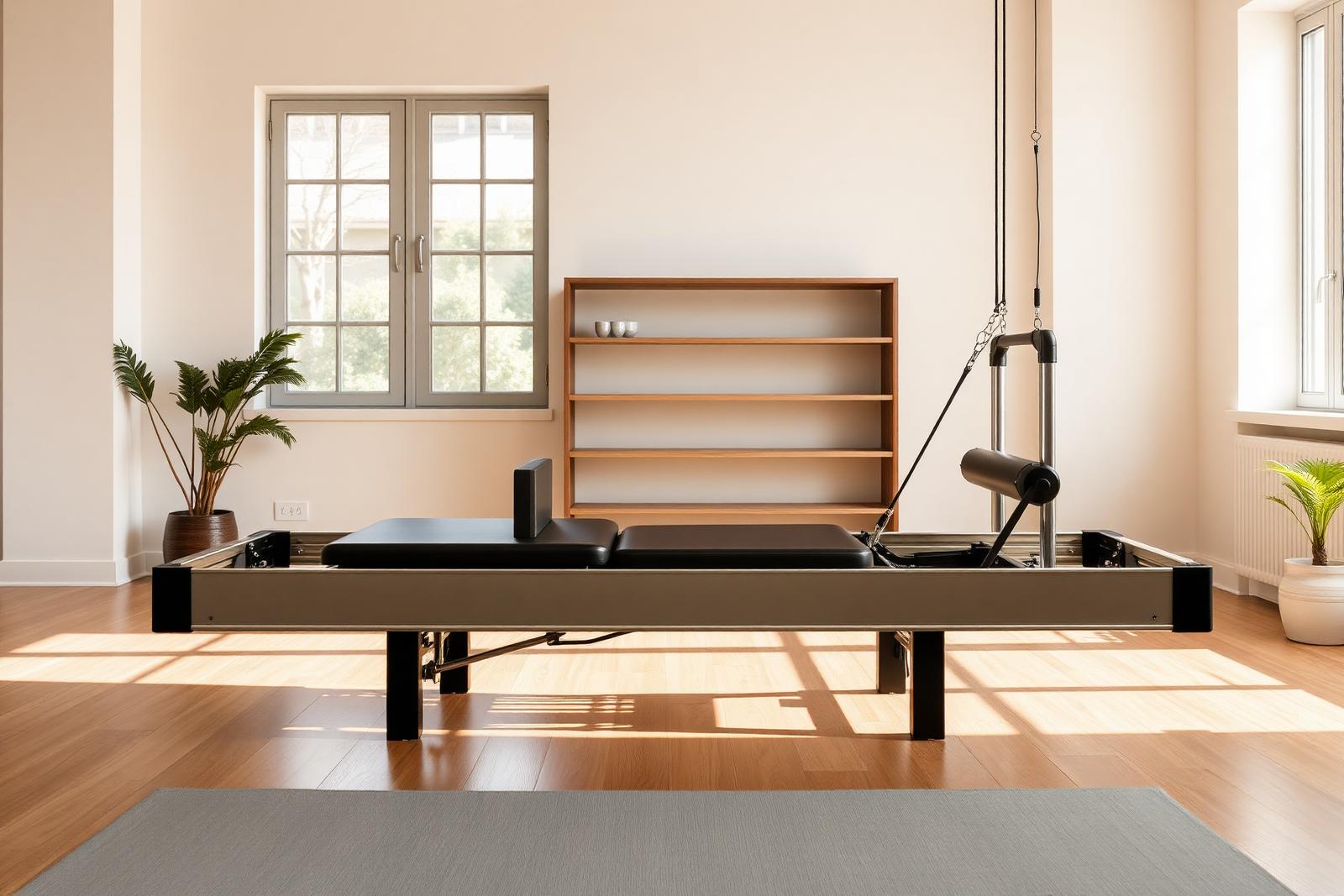
The Pavo Fitness Intelligent Foldable Reformer, currently funding on Kickstarter at over $650,000, is the first true rethink. It folds for storage, uses electronically variable spring resistance instead of physical springs, and includes a camera-based form coach that mirrors the AEKE approach.
For studios, it's a curiosity. For home users who've been priced out of $200-per-session classes, it's potentially transformative.
The bigger picture: why this is happening now
Three forces converged in early 2026:
- On-device AI got cheap enough. What used to require a $400/month cloud subscription now runs on a $30 inference chip inside the equipment.
- Peloton-fatigue is real. Users tired of monthly classes want equipment that adapts to them, not the other way around.
- The wearable ecosystem matured. Devices like the Fitbit Air generate clean biometric data that hardware makers can finally pipe into their coaches.
The result is a meaningful shift away from passive equipment toward systems that meet you where you are. Wired editor Adrienne So called it "the death of dumb iron" in a recent column, and she's roughly right — at least at the premium end of the market.
What's actually worth buying in 2026
Independent reviewers like Everyday Home Gym have been hands-on with most of this year's launches. After cross-referencing their findings with our own testing notes, here's the short list:
If you want one machine that does everything: AEKE K1 + B1
Best for beginners and intermediate lifters in 100–200 sq ft of space. Replaces a rack, dumbbells, and a trainer. ~$3,500 combined.
If you mostly run or walk: Merach UltraTread (or UltraWalk)
The on-device coach is genuinely useful, not gimmicky. UltraWalk is the smarter buy for sedentary professionals.
If space is your enemy: FitTransformer Power Core
Three machines, one footprint. The first home gym product genuinely designed for studio apartments.
If you've fallen in love with Pilates: Pavo Smart Reformer
The Kickstarter price (~$1,800) is roughly one year of boutique studio classes. Wait for shipping reviews before committing.
If you already have great traditional equipment: don't upgrade yet
A barbell, adjustable dumbbells, and a good rack still beat any smart product for pure strength gains. Add an AI wearable instead — better value per dollar.
A buying framework that survives 2026's noise
1. Calculate three-year cost of ownership
Almost every smart machine has a $30–$50/month subscription. A $2,000 device with a $40/month plan costs $3,440 over three years. Decide if the AI coaching is worth that premium over a one-time purchase.
2. Check whether the AI works offline
Some systems (Merach UltraTread, AEKE K1) run inference on-device. Others phone home to a server. Offline-capable AI keeps working even if the company shuts down or you cancel the subscription.
3. Verify data portability
Can your workout history export to Apple Health, Google Health Connect, or Strava? If not, you're building a fitness history you can't take with you.
4. Match the product to the room, not the marketing
A $4,000 smart treadmill in a basement nobody visits is wasted money. Put the machine where you already spend time — for many people, that's a walking pad under a desk, not a treadmill in a spare bedroom.
For more on building your space, browse our home gym essentials and the foundational home gym blueprint guide. And don't forget that even the smartest equipment can't out-train poor recovery — see our recovery tools roundup.
Key takeaways
- AEKE K1 + B1 brings true AI form coaching to home strength training in a single connected system.
- Merach UltraTread is the first treadmill with a real on-device LLM coach, not just a streaming screen.
- FitTransformer Power Core turns one engine into a rower, bike, or trainer for small spaces.
- Pavo Smart Reformer is the first credible attempt to modernize Pilates equipment for home use.
- Three-year cost of ownership and data portability matter more than spec sheets.
Frequently asked questions
Is an AI-powered home gym worth it over a traditional rack and dumbbells?
For beginners and people who'd otherwise hire a trainer, yes — the form coaching alone justifies the cost. For experienced lifters, traditional equipment still wins on pure strength gains per dollar.
What happens if the company goes out of business?
Look for products that run AI inference on-device (AEKE, Merach) rather than in the cloud. They'll keep working even without the parent company's servers.
Do I need a wearable to use these machines?
No, but a wearable like the Fitbit Air dramatically improves the AI coach's recommendations by adding sleep and recovery context.
Are these machines safe for older adults?
The AEKE K1's form-coaching feature is arguably more beginner-safe than a traditional gym. Walking pads like the Merach UltraWalk are excellent for older adults who want low-impact daily movement.
Conclusion: the home gym just became a real category again
For five years after the pandemic, the home gym space was dominated by content subscriptions and uninspired equipment. 2026 broke that pattern. AEKE, Merach, FitTransformer, and Pavo are all betting that the right answer isn't more video classes — it's equipment that thinks, adapts, and coaches you the way a good human would.
Whether one of them ends up in your house this year, the direction of travel is clear: the next decade of home fitness is going to be built around intelligent hardware, not subscription content. The brands that figure out that distinction first will own the category.
Your turn: Are you ready to trust an AI to coach your strength workouts at home? Drop a comment, share this with someone weighing a Peloton replacement, and explore our deeper home gym buying guides for the rest of your setup.
Related reading
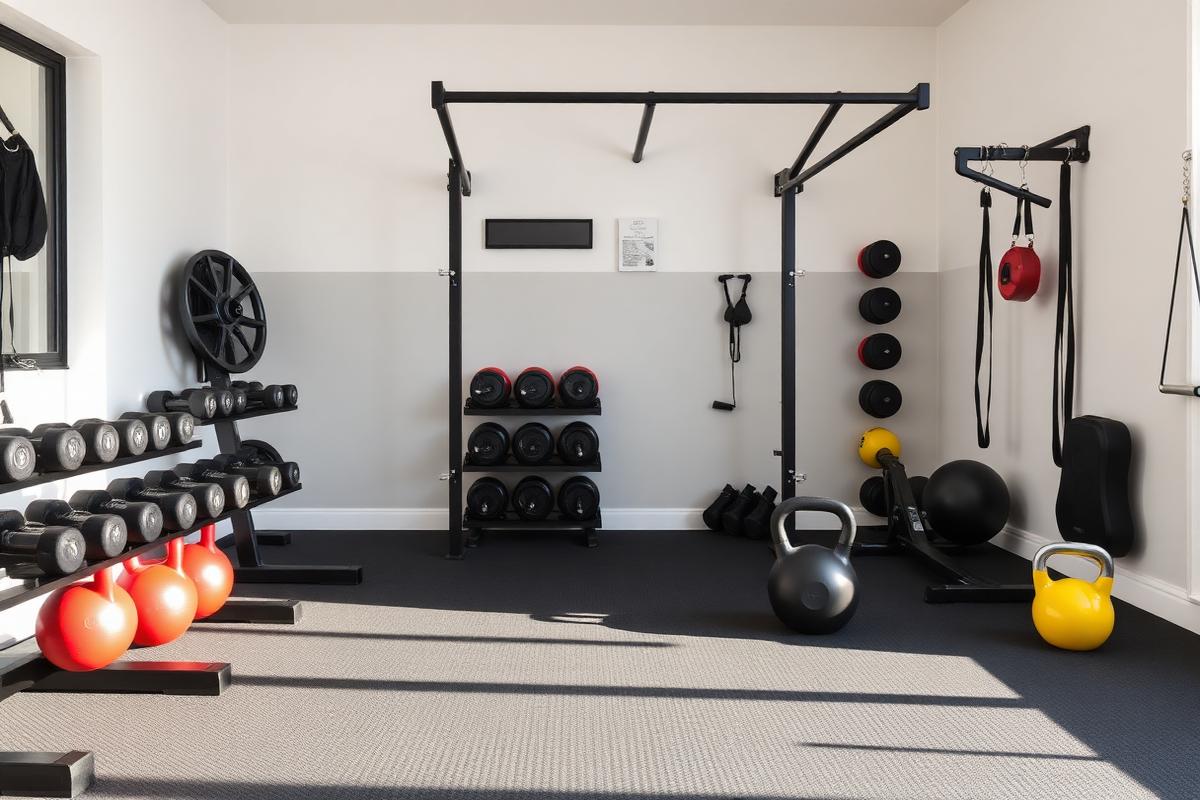
Home Gym Essentials: The Complete 2026 Blueprint
Everything you need to build a functional, future-proof home gym in any space and any budget — with three sample setups.
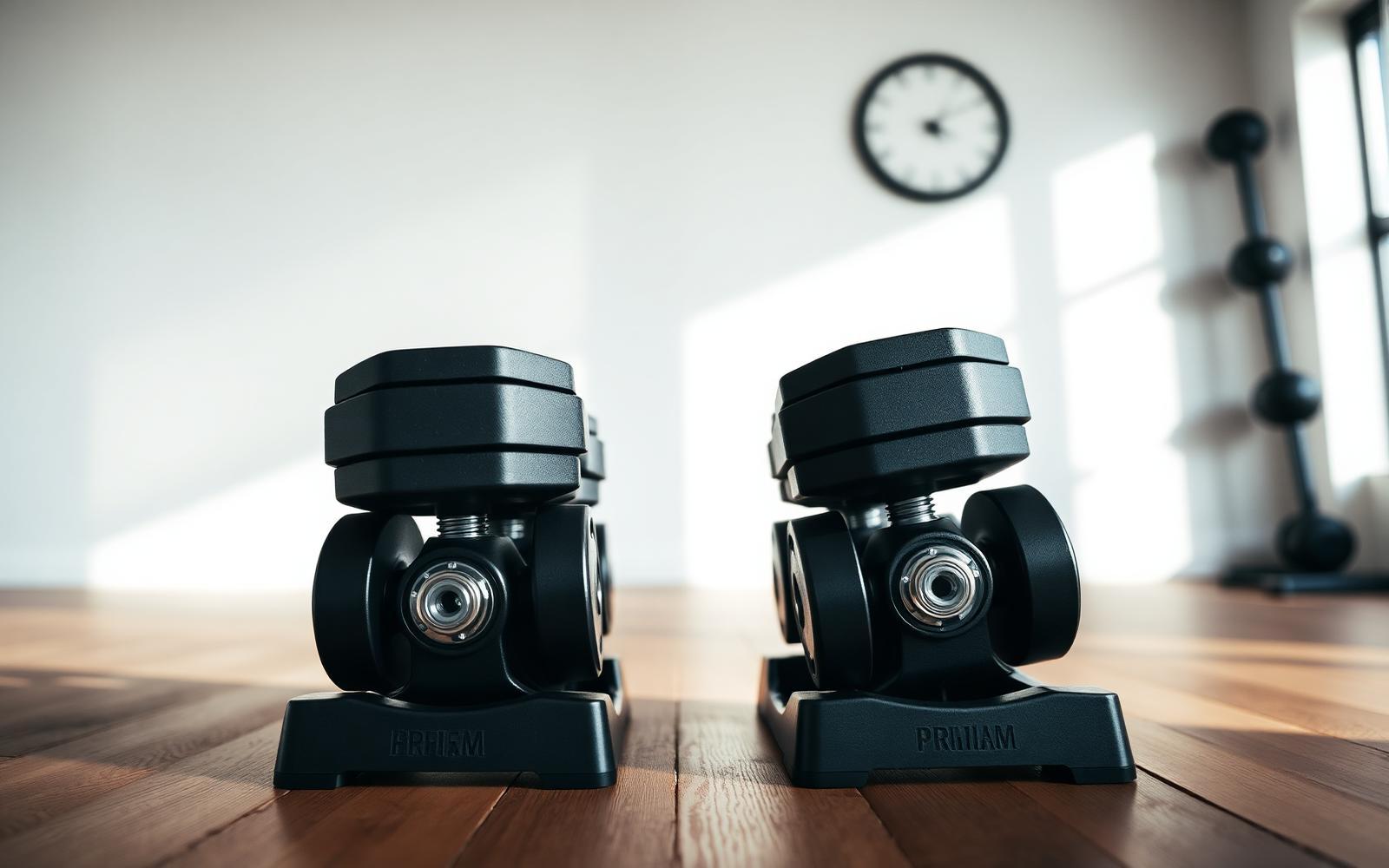
Best Adjustable Dumbbells 2026: Tested for Real Home Lifters
One pair, every workout. The adjustable dumbbells worth buying in 2026 — ranked on feel, durability, speed of change, and real-world value.

Best Fitness Apps 2026: AI Coaches, Trackers & Training Platforms Ranked
AI coaches went mainstream this year. Here are the fitness apps actually worth a subscription in 2026 — for lifting, running, recovery, and nutrition.